What This Means for Retailers | TalkLPnews Analysis
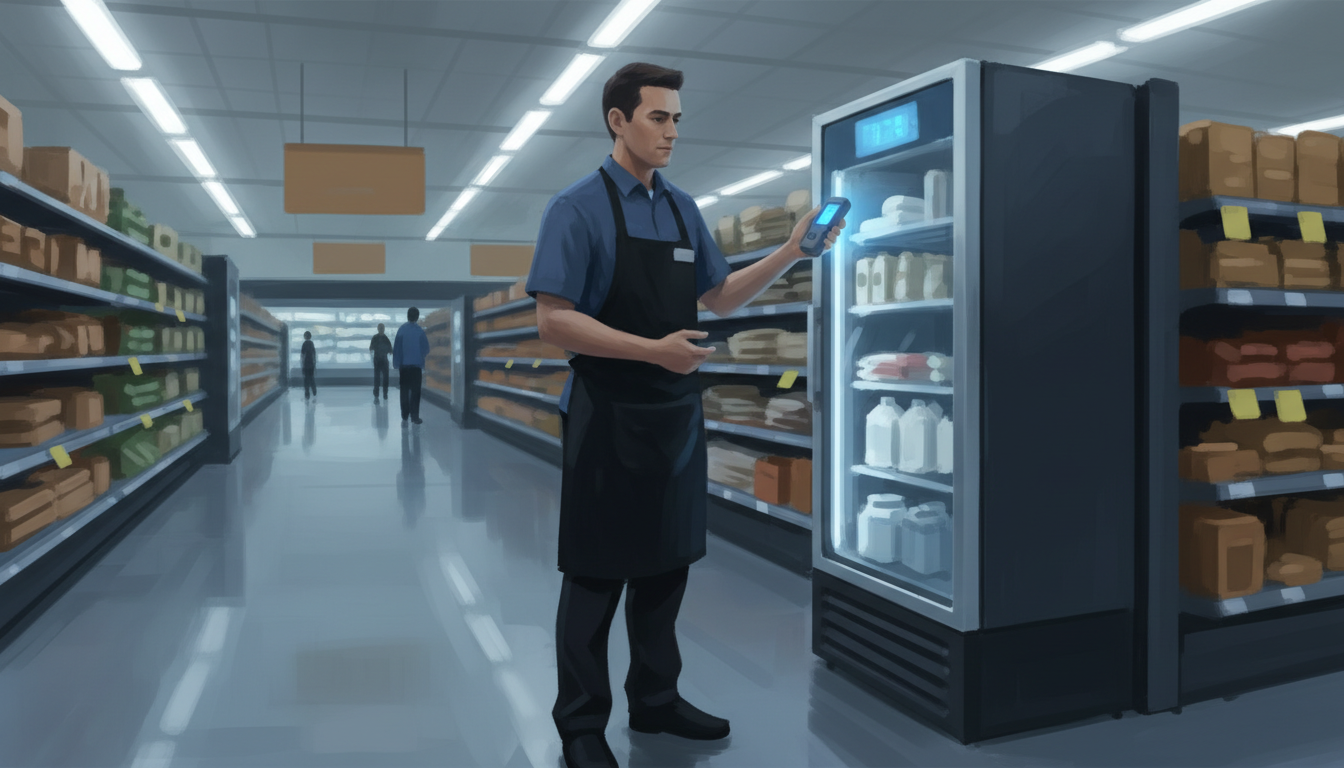
A department lead walks past a freezer case and notices something off. The display looks normal. The product doesn’t. The first useful question is whether the store has a way to check what’s happening without relying on the same system that raised the doubt.
TalkLPnews’ Nov. 3 cold-chain coverage followed another wave of refrigeration cyberattacks in Europe. On Nov. 5, Reuters reported that U.S. agencies warned of malicious activity targeting internet-accessible refrigeration controls. A grocery refrigeration cyberattack creates a store-level problem while the technical investigation is still underway. Someone has to decide which product can stay on sale.
Give the store a second way to check
Write the response around a reading the affected controller can’t supply. Identify who can use a calibrated, independent thermometer under the company’s food safety procedure, where it’s kept, and what readings and times to record. If a display and the independent check disagree, the shift lead needs to know whom to call and how to keep potentially affected product from being sold while food safety assesses it.
Separate equipment recovery from product release
Facilities and IT can work on the equipment and preserve logs while food safety evaluates the affected product. Give the store one place to record the case IDs, affected lots or departments, and the last reliable temperature check. A case that’s back at its setpoint gives the team a current reading. Product disposition still depends on its temperature history and the applicable food safety procedure. The FDA Food Code is a model for retail food safety rules.
Test it with the dashboard unavailable
Pick one store and simulate a freezer reading the team can’t trust. Have the on-duty lead find the independent thermometer, identify who owns the hold, and tell a second shift what can go back on sale and who will authorize it. Ask IT and facilities to name their first shared contact. If everyone can see the alarm but no one can name who makes the product call, that’s the gap to close.