
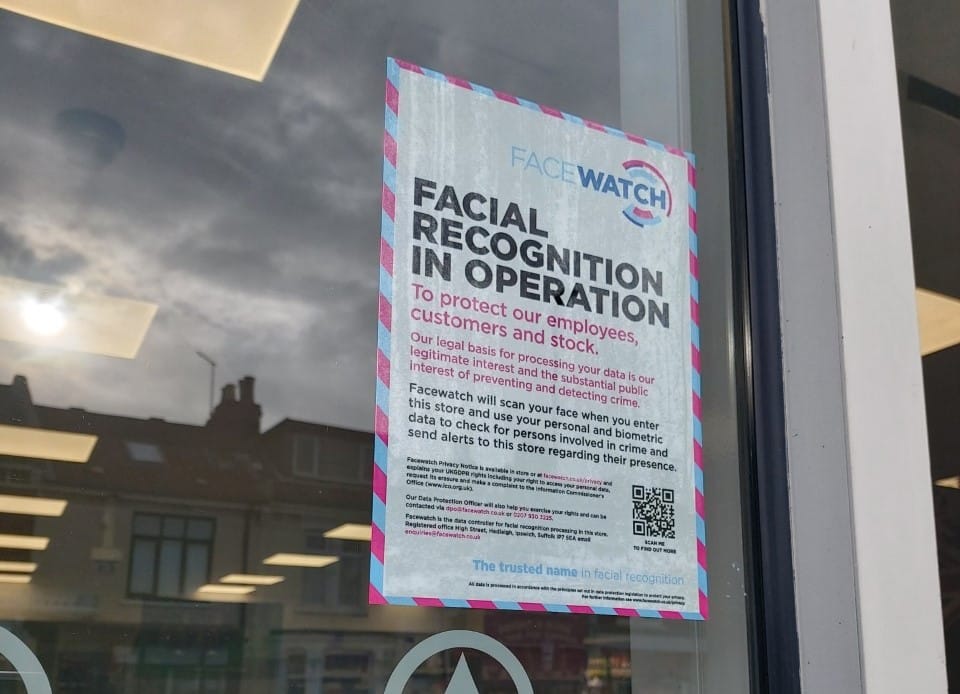
Facial recognition surveillance vendor Facewatch is pitching its live facial recognition (LFR) to UK pharmacies. The company says the technology could help prevent theft and aggression towards staff and is preparing to launch a specialized program dedicated to the pharmacy industry. The move, however, is already facing criticism due to the sensitive nature of access to healthcare.
Facewatch PharmacyProtect is designed to help pharmacies that manage and dispense controlled medicines. The product is set to be unveiled at the Pharmacy Show 2026 in October in Birmingham.
Facewatch argues that pharmacies face a unique crime profile that distinguishes them from typical retail settings, including deliberate theft of prescription and non-prescription medications, a rise in repeat offenses carried out by organized criminal groups, and frequent incidents of aggression and verbal abuse toward staff.
The National Pharmacy Association has been warning about the “alarming” rise in abuse faced by pharmacy staff and often inadequate response from the National Health Service (NHS).
“Community pharmacies are on the frontline of both healthcare delivery and retail crime, particularly the rise in organized crime, which we have seen rise sharply in recent years in the wider retail sector,” Nick Fisher, the company’s CEO, says in a statement.
The news of Facewatch’s entry into the pharmacy industry was greeted with criticism by advocacy groups such as Big Brother Watch, which argues that facial recognition technology could deter people from seeking healthcare.
“Healthcare is among the most sensitive and private aspects of our lives,” says Big Brother Watch Head of Advocacy Jack Coulson. “Any pharmacy using live facial recognition would be forcing members of the public to trade their privacy for healthcare.”
Facewatch, which operates as a Data Controller under UK GDPR , says that its system scans faces at store entrances, converts facial images into biometric templates and uses algorithmic matching combined with human review before issuing alerts. If no match is found, biometric data is deleted immediately.
The company has been under closer scrutiny for providing LFR to the retail sector, a practice that remains controversial in the UK. The company’s system has faced accusations of mistaking innocent people for shoplifters in the past.
“These cases relate to human error in the way processes were carried out in-store, rather than any failure of Facewatch’s technology,” Fisher explained to The Guardian last month. “These three errors are extremely rare cases when viewed in the context of the more than 500,000 alerts we send to retailers each year, but we recognise that any mistake is upsetting for the individual concerned.”
Its LFR is used by more than 125 retailers across the UK, including well-known names such as Budgens, Frasers Group, Flannels, Home Bargains, Sainsbury’s and Sports Direct. The technology has helped deter repeat offending by up to 70 percent and generated more than 500,000 real-time alerts about known offenders in 2025, the company notes.
Related Posts
Article Topics
biometrics | Facewatch | facial recognition | live facial recognition | retail biometrics
Latest Biometrics News
One consequence of the explosion of synthetic media and AI-generated identities is that trusted identity infrastructure has become strategically valuable…
The UK government is mooting device-level restrictions on nude images that could usher in a new era of a kid-friendly…
How many times can a head of government pledge to do something about harmful social media platforms before they’re obligated…
Aware has added ROC and Mitek as biometric technology partners for its digital identity orchestration platform, Awareness, as part of…