
@import url(‘https://fonts.googleapis.com/css2?family=Nunito+Sans:ital,opsz,wght@0,6..12,400;0,6..12,500;0,6..12,600;0,6..12,700;1,6..12,400;1,6..12,500;1,6..12,600;1,6..12,700&family=Nunito:ital,wght@0,400;0,500;0,600;0,700;1,400;1,500;1,600;1,700&display=swap’);
@import url(‘https://fonts.googleapis.com/css2?family=Handlee&display=swap’);
h3 {
font-weight: bold;
font-size: 18px;
color: #348089;
}
figure {
padding: 4px;
margin: auto;
}
figcaption {
color: #404144;
font-family: ‘Nunito Sans’, Arial, sans-serif;
font-size: 14px;
padding: 10px;
text-align: left;
}
.highlight {
padding: 3%;
border-top: 8px solid #207BBC;
border-bottom: 3px solid #207BBC;
width: 100%;
font-family: ‘Nunito Sans’,Arial,sans-serif;
font-size: 15px;
background-color: #EAF1F7;
margin-top: 25px;
margin-bottom: 25px;
}
.pqFull {
display: block;
border-width: 2px 0;
border-style: solid;
border-color: #404144;
padding: 1.5em 0 0.5em;
margin: 1.5em 0;
position: relative;
font-family: “Handlee”, Arial, sans-serif;
font-size: 20px;
text-align: center;
color: #0067A6;
}
.pqFull:before {
content: ‘275D’;
position: absolute;
top: -.10em;
left: 50%;
transform: translate(-50%, -50%);
background: #fff;
width: 4rem;
height: 2rem;
font: 6em/1.08em sans-serif;
color: #666;
text-align: center;
}
.pqFull:after {
content: “2013 2003” attr(cite);
display: block;
text-align: center;
font-size: 18px;
color: #404144;
}
When it comes to fire alarm panels, today’s offerings are definitely not your father’s Oldsmobile, as the old commercial famously said. With increased connectivity, communications and cloud capabilities, these panels are not only enticing more customers to upgrade outside of code, but also making it easier for security integrators to enter and compete in the lucrative fire service space. And with the increasing emergence of AI, even in the fairly conservative fire space, these trends are only going to accelerate.
“The biggest new development isn’t just a new panel or piece of hardware,” says Pedriant Peña, global products manager, connected fire, Johnson Controls, Milwaukee. “It’s designed to be connected by default. It allows fire systems to support faster response when something happens, better service and easier documentation over time.”
With cloud connectivity, these newer systems not only communicate to the central station but allow them to see more detailed information on what happened and what to do about it, with context, Peña adds. These added features are sometimes even pushing end users to upgrade outside of code, he says. “A lot of connected offerings are complementary and supplement what is required by code,” he explains. “Some of the changes are coming more from the operational side of the business and from the facility managers. Customers not only want to meet code but reduce risk.”
Bob Teta, director of software services, Potter Electric Signal Company, St. Louis, agrees. “End users are looking for options to go from proprietary to non-proprietary systems to allow for more flexibility in maintenance and upgrades,” he says. Additionally, many aging systems can’t support connectivity or technology advancements. Cybersecurity requirements are also leading to the need to upgrade, as well as pressure from risk assessment/insurance agencies.”
At their heart, however, fire and life safety systems are inherently code-driven and often lag behind the wider security industry trends when it comes to adoption. Even with that caveat, industry practitioners are excited by what is happening in the space.
“When we talk about the latest developments in fire alarm control panels, we are really talking about the evolution of the panel into a fully integrated, communications-ready life safety platform,” says Judy Jones-Shand, vice president, marketing, NAPCO Security Technologies Inc., Amityville, N.Y. “Over nearly four decades, we’ve seen regulations evolve, expectations tighten and technology advance — but one thing has remained constant: fire demands precision engineering and uncompromising reliability.”
There has been a lot of efficiency gained on the installation and service side. For building owners dependent on integrators to keep their building operational, it helps them do so more efficiently. It makes it better for business, whether you are the building owner or the integrator of the system.
The Latest Code Changes
While fire-related code changes are always ongoing and largely depend on the local AHJ to decide which versions and elements to enforce, there have been a few changes in codes related to the newer fire panel technologies discussed in this article.
NFPA 72: The 2025 version of NFPA 72, National Fire Alarm and Signaling Code, introduces enforceable cybersecurity and remote-access controls, says Diana Ramos of Kidde Commercial. “Cybersecurity guidance previously in Annex J is now mandatory Chapter 11 language and applies to networked, IP-connected and remotely accessible panels,” she says.
NFPA 915: This code applies to remote inspections, says Pedriant Peña of Johnson Controls. “It is not driving changes yet because it is relatively new, but, on a local level, one thing that is changing is the increased need for digital documentation and digital history from inspection and maintenance. … You might have an inspection once a year. If it is a bigger system, you might break that into quarters. It is a lot of paperwork, and it becomes really difficult to maintain and understand who is in and out of compliance for the AHJ. 915 is starting to allow for remote inspection, helping how confidently the AHJs can help building owners comply.”
3 ‘Cs’ Making Panels Easier to Use & Maintain
The latest generation of fire panels take advantage of three technology trends: improved connectivity, better communication and the emergence of cloud as a dominant and accepted technology. These three elements are making the fire space more accessible to security dealers and integrators as well as enhancing the end user experience.
#ask-sdm-ec a {
display: inline-flex;
align-items: center;
gap: 10px;
padding: 10px 20px;
font-size: 16px;
font-weight: 600;
color: #348089;
background-color: #fff;
text-decoration: none;
border-radius: 4px;
border: 2px solid #348089;
box-shadow: none;
transition: all 0.25s ease-in-out;
}
#ask-sdm-ec a:hover {
background-color: #348089 !important;
color: #fff !important;
}
#ask-sdm-ec a svg {
width: 18px;
height: 18px;
stroke: currentColor;
stroke-width: 1.8;
fill: none;
stroke-linecap: round;
stroke-linejoin: round;
flex-shrink: 0;
transition: inherit;
}
Looking for quick answers on security topics?
Try Ask SDM, our new smart AI search tool.
Ask SDM →
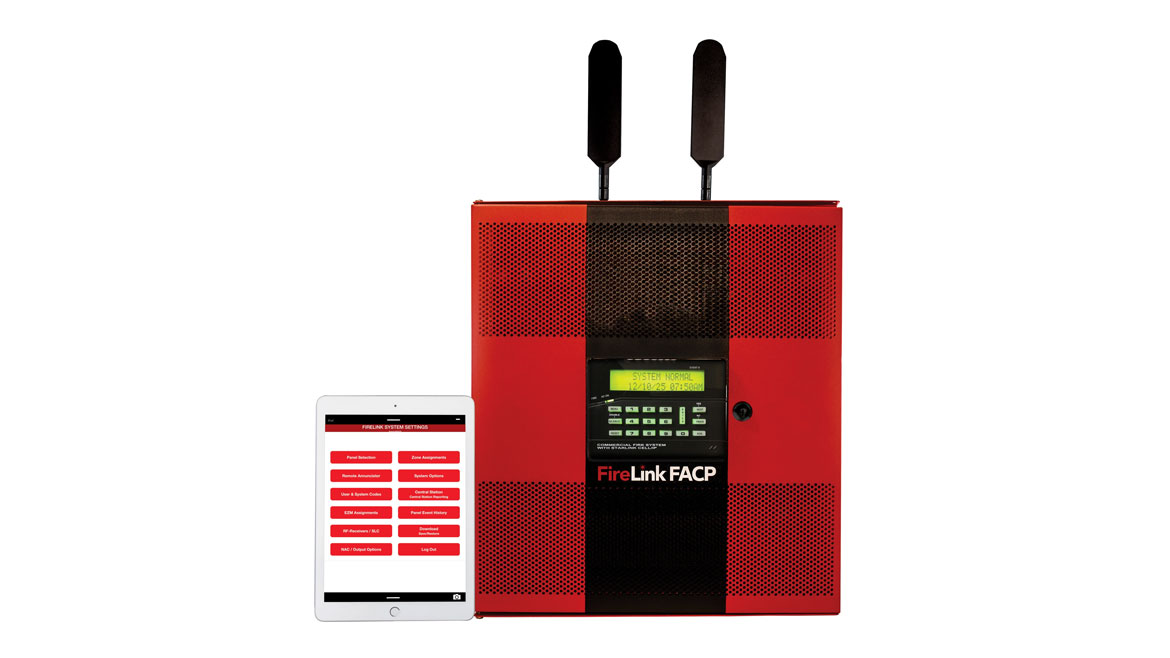
“One of the most important advancements we’ve delivered is incorporating multi-carrier cellular communications directly onboard the FACP,” Jones-Shand says. “There is no separate communicator to mount, no additional enclosure required and no added labor wiring auxiliary hardware. That saves dealers equipment costs, reduces installation time, simplifies inventory and enhances overall system integrity. … It’s a smarter design approach that saves dealers time on every project while strengthening reliability.
“We’ve also advanced cloud programmability,” she adds. “Fire panels historically required specialized software and extensive on-site configuration. Our cloud-enabled FACPs allow secure remote programming and account management, dramatically simplifying deployment and service while maintaining full UL-864 and NFPA 72 compliance. It reduces the learning curve responsibly without compromising life-safety standards.”
Diana Ramos, senior marketing manager, Kidde Commercial, Bradenton, Fla., says that cloud, in particular, has had a significant impact on how integrators install and communicate with fire panels today, including:
- Accessing real-time diagnostics and system insights remotely, reducing reliance on on‑site panel checks.
- Diagnosing issues before arriving on-site, often avoiding unnecessary truck rolls altogether.
- Improving first‑call success by sending the right technician with the right tools based on remote system data.
- Monitoring device health across all customer sites to proactively identify maintenance needs and plan service.
- Performing more efficient inspections with one‑person walk test capability and instant report generation.
- Allowing support teams to view the connected panel during service calls, speeding troubleshooting and resolution.
One of the biggest impacts these types of advancements have had is on the service side, Peña says. Integrators and dealers used to have to physically interact with the panel to understand what was happening. “Now they have the information remotely; there is less guesswork, and they can show up prepared,” he says. “Cloud has changed the relationship between the panel, the building owner and the service provider.”
Service technicians now have the ability to do remote commands and testing and can even see panel information from their phone, Peña explains. “There has been a lot of efficiency gained on the installation and service side,” he says. “For building owners dependent on integrators to keep their building operational it helps them do so more efficiently. It makes it better for business, whether you are the building owner or the integrator of the system.”
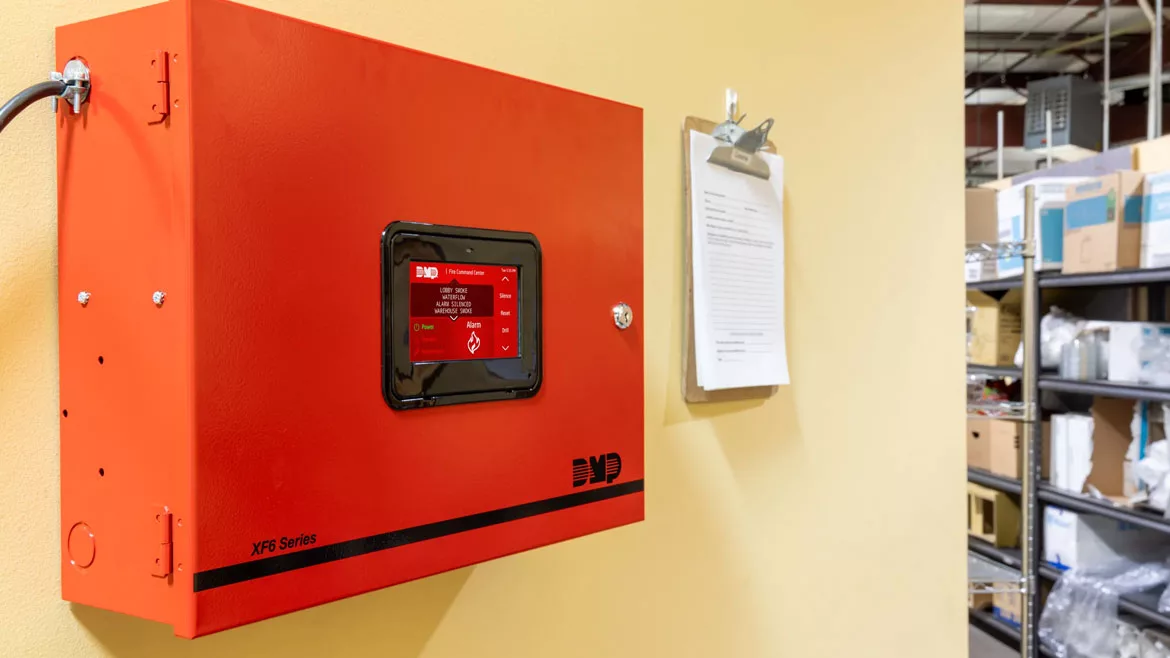
Jon Adams, vice president of sales, Digital Monitoring Products (DMP), Springfield, Mo., says his company has put a lot of thought into the maintenance side of its fire panels. “We’ve seen trends to utilize the fire alarm panel itself as the means for helping keep up with the maintenance requirements of the system,” he says. “This has prompted us to build additional capabilities into our systems. For example, many fire integrators utilize expensive software to help them maintain their records of when systems are due for their annual or quarterly inspections. Our products now allow you to enter that interval into the system and it self-reports to the fire provider as well as the customer that an inspection is due soon. This helps dealers shed costly overhead while still meeting the AHJ requirements.”
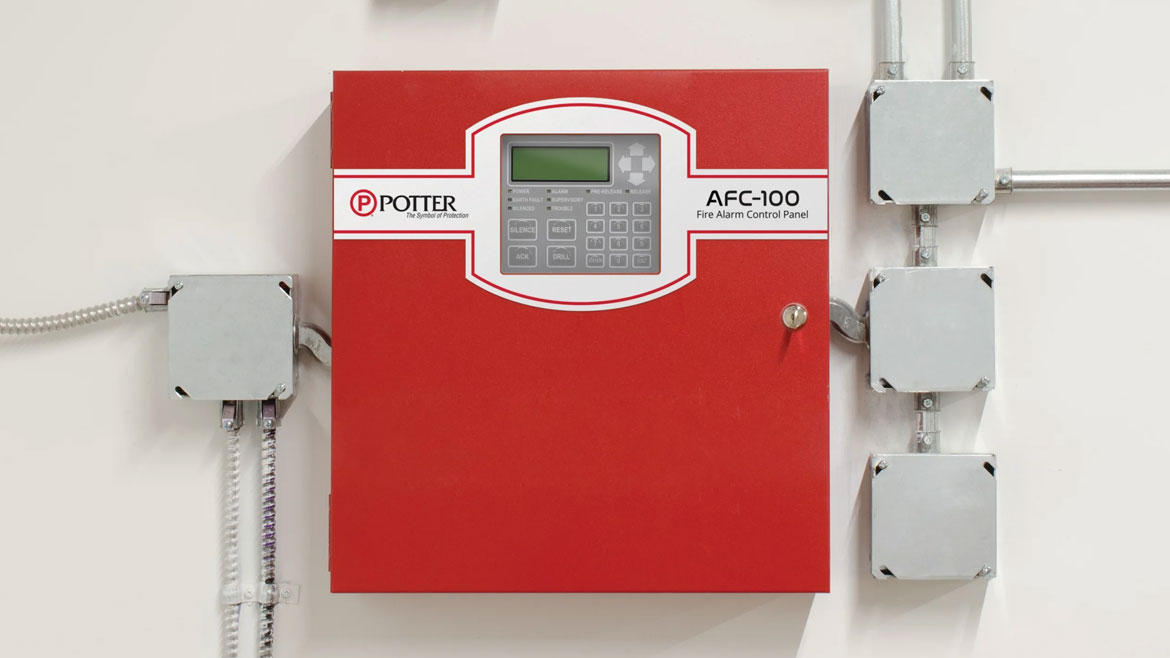
Teta says these trends are particularly beneficial for security dealers and integrators faced with a shortage of technical talent. “With fewer technicians available, there’s a push for easier installation and more intuitive programming so companies can do more with less,” he explains. “More and more data is being pushed to the cloud due to the need for remote monitoring of system status enterprise-wide. We’re seeing quite a bit of increase in demand for products that connect to our … cloud-based system.”
Jones-Shand agrees. “Cloud technology has meaningfully improved how integrators deploy and service fire alarm systems,” she says. “In the past, programming complexity discouraged some security-focused dealers from expanding into fire. It required specialized tools and extended on-site time. Cloud programmability changes that dynamic. Integrators can securely configure panels remotely, reduce truck rolls and streamline updates. That efficiency is especially important in an industry facing a well-documented shortage of experienced technicians. When technology reduces programming time and simplifies commissioning, it directly addresses one of today’s biggest operational challenges.”
In the past, programming complexity discouraged some security-focused dealers from expanding into fire. … Cloud programmability changes that dynamic. Integrators can securely configure panels remotely, reduce truck rolls and streamline updates. That efficiency is especially important in an industry facing a well-documented shortage of experienced technicians.
Advice for Integrators
With fire alarm panels getting easier to install and maintain, more security dealers and integrators are getting deeper into the fire space. What advice do the manufacturers have for them?
“Installation is no longer the finish line,” says Pedriant Peña of Johnson Controls. “Panels now support long-term service optimization, and understanding connectivity and data is becoming essential. One of the biggest fears, and where we get pushback from integrators, is that connectivity might replace technicians. Instead, it helps them do their job more efficiently. They can now expand their business without growing the number of people on their team. And the customer is a lot happier. If they can provide better service, it is a win-win and produces a better relationship with the customer. A connected system is better for business, for themselves and for the building owner.”
Judy Jones-Shand of NAPCO Security Technologies Inc. advises integrators to work closely with trusted manufacturing partners. “Fire alarm installation is a specialized discipline, and aligning with experienced manufacturing partners makes a measurable difference. Dealers benefit from working with companies that understand fire engineering deeply and design products specifically to reduce labor, eliminate unnecessary hardware and simplify compliance documentation.”
Bob Teta of Potter Electric Signal Company adds, “One important thing for dealers and integrators to know is that there are tools or software available to them to make things easier.”
Jon Adams of DMP stresses the importance of training. “The number one thing is and always has been that you want to make sure that your system designers and technicians not only receive initial training, but ongoing manufacturer’s training.”
Many manufacturers such as DMP, NAPCO and others offer free training in a variety of locations and formats to make it as easy as possible.
Paving the way for AI
While the security industry is being inundated with AI everywhere, the fire side of the business hasn’t completely escaped this trend. It is, however, taking a more measured approach.
“AI hasn’t fully affected day-to-day panel operation yet, but we are actively researching what AI could safely and usefully do in this industry,” Teta says. “The expectation is that it will influence both installation and maintenance, changing the way systems are diagnosed and supported.”
It is already having an impact on the manufacturer support side, Adams says. “AI has made it easier for manufacturers such as ourselves to provide new tools for training as well as support that is easier for integrators in the field to access and use. We also anticipate that AI and video analytics will be adopted for fire protection applications, and we are preparing for that future.”
Another way AI is currently being used in the fire industry is to help installers interpret codes, Peña says. “All the codes are now digital and searchable and have context built in,” he explains. “From technicians and installers to owners and AHJs, AI will help decisions be made faster and with less guesswork.”
The potential of AI, going hand-in-hand with cloud, is in interpreting data, Peña says. “AI is not replacing anything, but improving how data from fire systems is interpreted, understood and acted on, to make sense of patterns over time.”
One example of this is in first-time fix rates, he says. “If you can fix something the first time, everybody wins. It’s almost like having a medical history. It is easier to diagnose an issue. … In our cloud solutions, there are some AI layers and a roadmap to continue to develop what we can do with data that comes from the fire system to provide more context. It is in its infancy in terms of what we are integrating into products. But take the inspection history for a building and information from troubles and alarms; it can give a better understanding and connect the dots between things that are currently disconnected.”
One of the biggest roadblocks to the bigger capabilities of AI is something Peña calls the “cybersecurity gap.”
“If the AHJ doesn’t understand it, they will just shoot it down,” Peña says. “If they are not confident on the cybersecurity risk, everything is a no-go. But we are starting to see a change on that, and a lot more push on education and getting it into codes.”
Adams also expects this with all the new technologies being introduced into the fire space. “AI and video are prime examples,” he says. “How will they be introduced? What will that adoption path look like? This will also spur changes in fire code to meet that increased pace of technology. So, we all will want to put effort into staying educated.”
Jones-Shand agrees. “We also expect increasing scrutiny around cybersecurity standards and signal path transparency. Documentation, compliance certificates and proof of supervised performance will become even more important in AHJ approvals. As regional code interpretations evolve … panels must be flexible enough to meet those specifications without compromising reliability.
“Ultimately, fire alarm systems are not simply another building system,” she adds. “When properly engineered, properly installed and properly supported, they protect property — and, more importantly, they save lives. Communications done correctly ensure that, when a fire event occurs, the signal is delivered reliably, ASAP within required timeframes, and without failure.”
Peña adds, “The message we are trying to give is that connected systems are better for business. They provide better safety outcomes and make it easier to manage over the life of a building. The best fire systems are invisible, but when it matters you need them to be there. [The new systems] make it more efficient and a better long-term revenue for integrator businesses while providing better service and quality.”
https://www.sdmmag.com/articles/105328-modern-fire-panels-streamline-installation-and-maintenance