
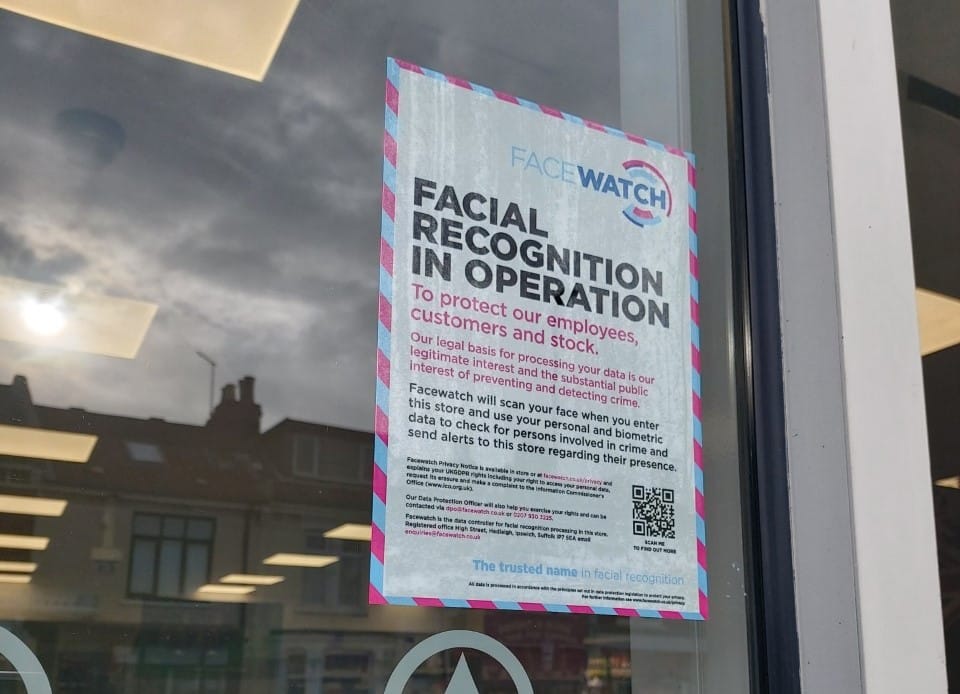
False accusations of shoplifting against a man in Cardiff, Wales are the result of human error, rather than a false positive alert by the retailer’s live facial recognition system for theft prevention. The incident highlights the tenuousness of public support, which is significant, but biometrics providers see a potential pitfall in watchlist governance.
A man was approached at a B&M store in Cardiff that uses Facewatch to biometrically identify customers previously caught shoplifting, and accused of shoplifting £75 worth (approximately US$98) of products on a previous visit, the BBC reports.
When Byron Long denied having stolen from the store, the CCTV record was reviewed and he was found to have paid the store.
B&M offered Long a £25 voucher, which he rejected. Big Brother Watch has filed a formal complaint with the Information Commissioner’s Office. Long says he suffers from mental health challenges and is worried he will be mistaken for a shoplifter again.
Long purchased only £7 worth of goods – cat treats – on his previous visit to the store which was reviewed by staff, suggesting their may be another past transaction associated with the incident.
Facewatch and B&M each say the mistaken allegation is a case of “human error,” rather than a technological failure. Long’s data has been removed from the system.
B&M staff told Long that when he was confronted by staff, the CCTV footage of him was due to be deleted in three days. Had it not been available for review, he says, he would not have been able to prove his innocence.
Industry eyes watchlist governance
The issue of watchlist governance, particularly in implementations of 1-to-many facial recognition in commercial or semi-public environments is one the industry is already grappling with.
Members of the Biometrics Institute confirmed a need to address a series of questions related to such watchlist governance at the group’s recent congress, CEO Isabelle Moeller says in a LinkedIn post.
“In line with our Three Laws of Biometrics, you cannot separate the use of biometric technology from the policy and process that is needed to ensure a responsible implementation of biometrics,” says Moeller.
2 in 3 support facial recognition for theft prevention
The number of alerts delivered by Facewatch’s facial recognition theft prevention system increased by 75 percent, year-over-year, to 49,372 in October of this year, the company says in a web post announcing the results of a survey on public support for the technology. Offender activity in shops could spike in similar proportion, the company says.
A survey of 2,133 adults by YouGov for Facewatch found that 69.5 percent support the use of facial recognition to identify repeat offenders for the protection of retail workers. Only slightly less, 65.6 percent, say retailers should be allowed to use facial recognition for preventing theft and anti-social behavior.
On the composition of the biometric watchlist, 67 percent support facial recognition systems that retain only images from known offenders. Seven in 10 say they would be more comfortable with facial recognition use knowing data from those not known as offenders is immediately deleted.
Related Posts
Article Topics
biometrics | Facewatch | facial recognition | real-time biometrics | responsible biometrics | retail biometrics
Latest Biometrics News
The implementation of digital public infrastructure (DPI) and AI projects is set to get a nudge from the United Arab…
In Australia, Snapchat users can now prove their age using ID document validation or biometrics from k-ID, or with ConnectID,…
The latest groundswell of legislative activity aimed at the tech sector concerns the question of who has the right to…
The Tony Blair Institute (TBI) has published a new paper, “Rebooting the UK’s Tech-Diffusion Ecosystem to Drive Growth,” which urges…